Headlines: World Question, Journalists host forum at the University of Guyana
World Questions Journalists host a forum at the University of Guyana
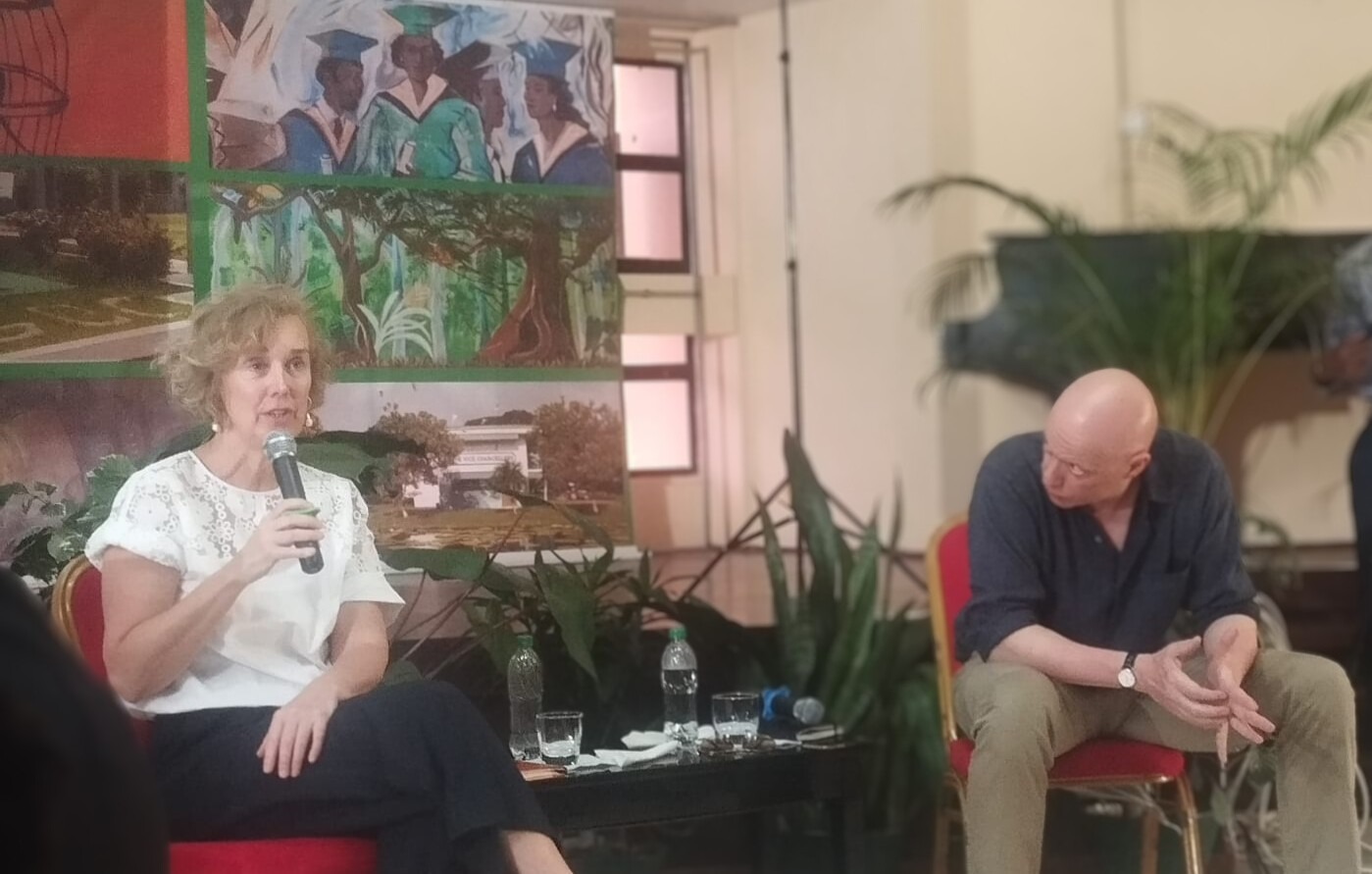
A special edition of the BBC World Questions was held at the University of
Guyana on March 9, 2026, at the Education Lecture Theater. This event featured a
Presentation by Host Jonny Dymond, a British Journalist and broadcaster for the
British Broadcasting Company (BBC) and Helen Towner, a producer attached to
the company. The event brought together students from the Centre of
Communication Studies, lecturers, and media professionals for an engaging
discussion on the principles and ethics of journalism, as well as its evolving role in
a fast-changing world.
At the outset of the discussion, Jonny Dymond and Helen Towner
explained that BBC World Questions is a monthly radio program designed to
spotlight pressing issues in different countries. The forum involves extensive
research and collaboration with local journalists, coordinators, and subject-matter
experts to ensure that debates reflect the realities of the nation, with potential
panelists from politics, business, or influencers whose expertise aligns with the
chosen theme. Citizens were then invited to attend the forum, where they could pose questions directly to the panel.
At the special edition of BBC World Questions at the University of Guyana,
Vice Chancellor Professor Paloma Mohamed-Martin emphasized the importance
of the Centre for Communication Studies. She noted journalism’s pivotal moment
amid technology and AI, stressing that while platforms like Facebook and
YouTube grows, radio and television remain vital, underscoring BBC World
Questions’ relevance to Guyana and its diaspora.
During the discussion, journalism emerged as the central theme. BBC
Representatives explained that World Questions operates on consensus, funded by
British citizens, rather than the government, should ensure independence and a voice for the people. They acknowledged the need to explore new ways of sustaining the organization in the digital age. Transparency, accountability, and credibility were emphasized as guiding values, particularly in an era challenged by misinformation, disinformation, and the rise of AI. To address these threats, Jonny Dymond and Helen Towner highlighted the BBC’s “Verify” unit, which confirms news through multiple sources. They stressed that ethical journalism requires accuracy over speed and self‑reflection over opinion. Ultimately, they reminded participants that credibility remains a journalist’s most vital professional asset.
Post a comment